Working at a cheese counter, you hear an array of cheese misconceptions, botched pronounciations and shocked exclamations. I’ll use them as educational opportunities for you in this post and remember, a monger never forgets!
“I DETEST all goat cheese but this one is good…” The age old underestimation of how darn good goat cheese is, and how different fresh chevre can taste from its aged counterparts.
“I’m looking for that one cheese, can’t remember the name…the good one…?” Then the expectant stare, waiting for me to read their minds or jarr a memory. If only I was into cheese divination.
“I can only eat sheeps milk, I’m lactose intolerant” I’ll get into that one later on. But sorry babe, there is lactose in sheep cheese too.
“Brie? I’ve never heard of that. It sounds disguisting” To this day, this amazes me. To not ever hear of brie before, proceed to diss the pride and joy of Ile-De-France, THEN pick up the most obscure cheese in our selection and proclaim it their ‘go-to’.
Read on for more misconceptions and how to bolster your confidence at the cheese counter!
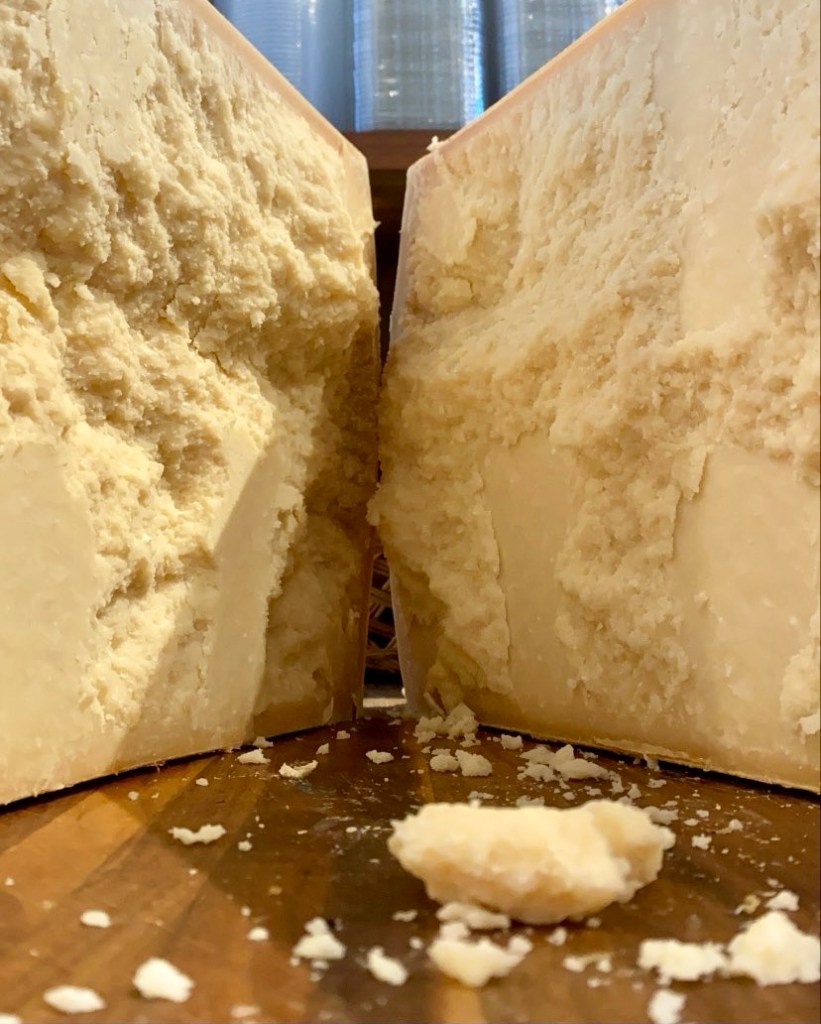
1. Crystals in Hard Cheeses are Salt
The textural symphony of biting into a piece of unyielding parmigiano reggiano is an experience second to none. That delightful crunch comes from tyrosine crystals that form in the paste of the cheese due to protein breakdown during aging. These crystals are a sacred personality trait of aged cheeses, the fruits of the cheesemaker’s arduous labor.

2. Only Cow’s Milk Cheese has Lactose
Lactose intolerance, or as I called it as a tween ‘lactose and tolerant’, is a common curse that likely affects, if not you, someone you know. While there are cheeses labeled ‘lactose free’, most cheeses you see at the market will contain a small amount. Actually cheeses made from any of the four main types of milk (cow, goat, sheep and buffalo) all contain lactose, with only a small variance in percentage levels. I won’t get into the science of all the factors in dairy that could potentially cause reactions- I’d be here all day! Rest assured there are plenty of cheeses with low lactose levels like mature cheddars or parmigiano reggiano, manchego, etc. In aged cheeses, any lactose in the milk during the aging process gets fermented and turned into lactic acid. Bye Bye Lactose! Uncultured dairy products like milk, ricotta and mozzarella are more likely to cause issues due to the absence of that lactose lovin’ bacteria.

3. WHITE GRAINY SUBSTANCE ON CHEDDAR IS MOLD
Stop. Step away from the trash can with that beautiful piece of cheddar. The white veining that you might see on the outside of a cheddar block, with a grainy look to it- that is actually a bunch of calcium lactate crystals. This is a surefire way to know that you have a nicely aged, quality piece of cheddar. The crystals form as the cheese ages, a result of the breakdown of lactose. Mold looks fuzzy, puffed and might be white or green. Once you can tell the difference, you’ll never waste a piece of good cheddar again!
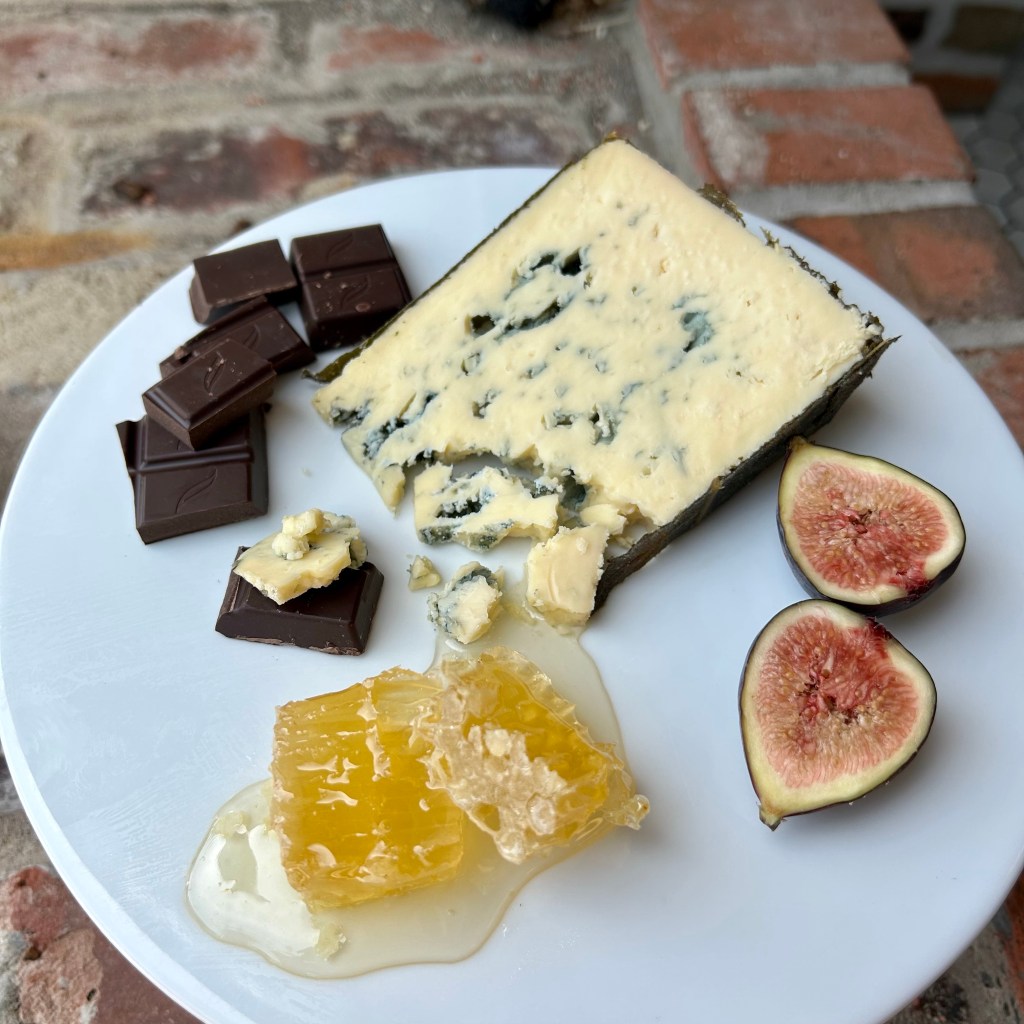
4. CHEESE IS VEGETARIAN
The rules of a vegetarian diet can look different depending on the person, culture or region. If you, like me, choose to eat dairy as a vegetarian, you might learn the hard way that not all cheeses are technically vegetarian. When cheese is made, fresh milk is mixed with salt, good cultures and rennet (or enzymes). Rennet is most traditionally found in the stomach of a baby calf. Sorry to say that many traditional european cheeses do contain animal rennet, including, sorry to say, Parmigiano Reggiano. This can be a shocking lesson to learn, but never fear, there are vegetarian cheese out there and here is how to find them: Generally cheeses made with vegetarian forms of rennet are labeled as such in the ingredient list. Look for “vegetable rennet” and “microbial rennet”.
I’ll also add that there are some traditional clothbound cheddars rubbed in lard- rendering them unsuitable for vegetarians as well. Why would someone EVER do that (is what I said when I found out). The purpose of rubbing a fat such as lard or oil onto the rind of a cheese is to prevent mold growth and create a thin barrier of protection. These are generally listed in the ingredient list as well. In conclusion, it is always beneficial to check out that ingredient list and use the sources available to you in your cheese journey.
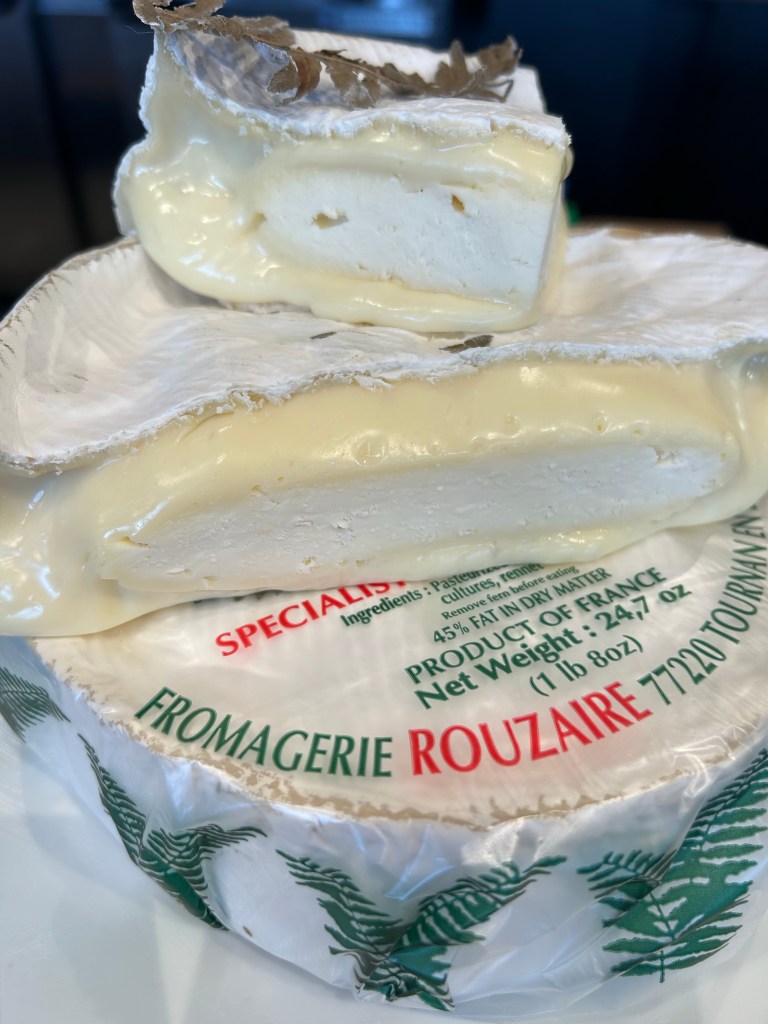
5. YOU SHOULDN’T EAT THE RIND
Unless it is a rind made of wax, paper, cloth or bark, it is safe to consume! Rinds can look very different depending on the cheese, soft and snowy white, salmon-pink, or firm and textured. Each rind is created differently by cheesemongers, and is an integral part of the tasting process. The paste of a wheel of brie will tell a different story than biting into a wedge in its entirety. The rind also contains some good bacteria for your gut- all hail the gut microbiome! Why waste something you paid for, enoy that rind!

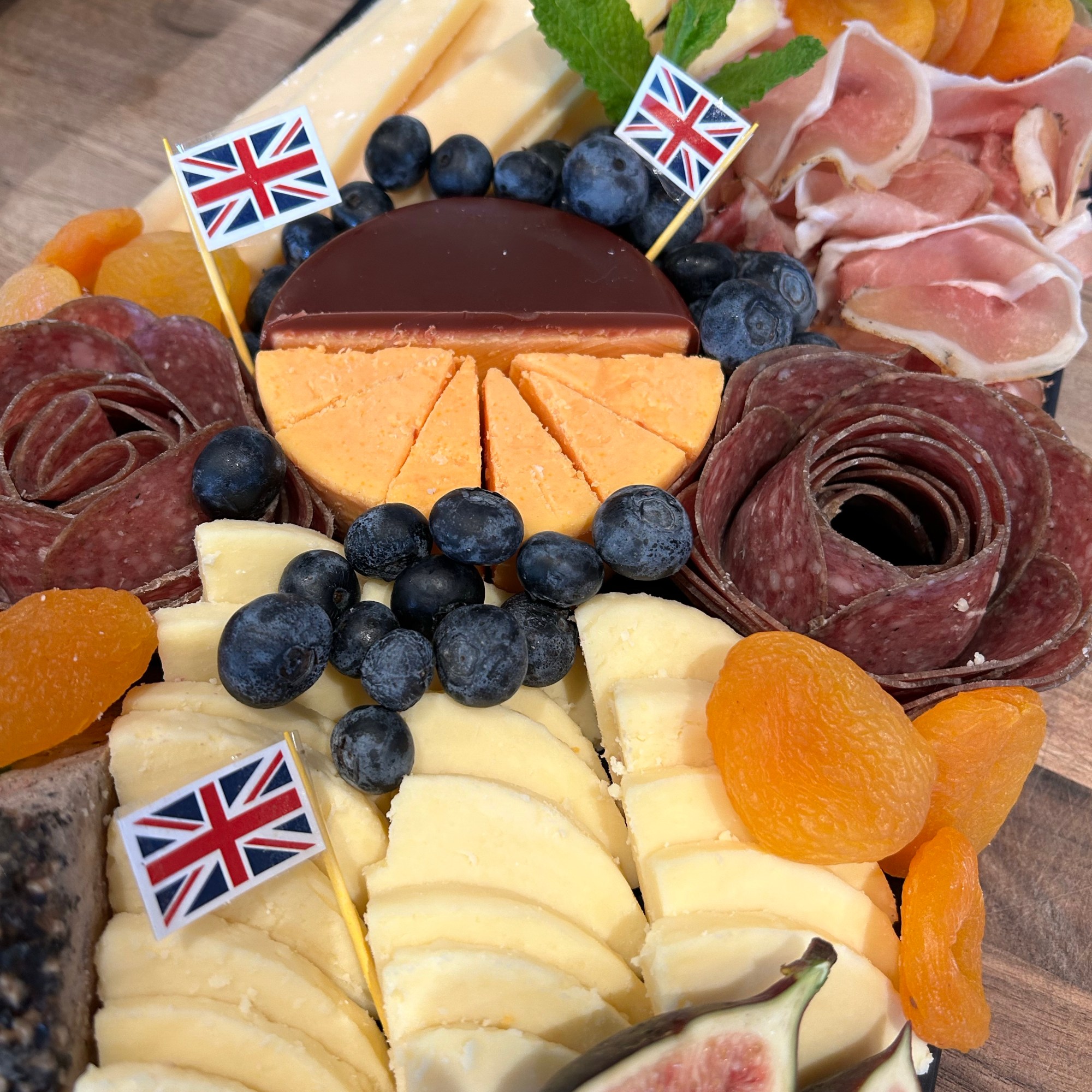

6. Cheddar is yellow
Wrong-o. I can’t tell you how many times I see eyes graze past blocks of white cheddar only to be asked “where is the cheddar, I don’t see it?” This charming cheese blindness is due to cheddar’s permanent association with the color YELLOW. (Actually, it looks more orange to me than yellow, but I can’t argue with a bunch of dead men). The annatto coloring actually doesn’t change the taste or texture of the cheese. So why would a cheesemaker add annatto in the first place? It all comes down to aesthetic. That contrast of color is sure to stand out amongst a sea of whites and off-whites, tantalizing the customer to have a taste. It is also known that cheeses made from summer milk have a natural buttery hue, from betacarotene in the lush grass the cows graze on. The abundant vegetation in warmer months create complex flavors and aromas in milk making the resulting cheese more desirable. So to make cheeses made all year round more appealing and uniform, coloring was added to mimic that buttercup yellow. Is this a nasty trick? I’ll leave that up to you to decide. Some examples of famous cheeses known for their striking carrot color are Shropshire Blue (Pictured above right), Red Leicester (center) and Cheshire (not pictured).
 Julianne Scott